

Andrew’s Reptiles • Care & Education
Bearded Dragon Basking Spots
Build an elevated, heat-retaining basking platform—and choose your bulb by measured temperatures, not a guess about wattage.
- Measure the surface and the air separately. A temperature gun reads the basking platform; digital thermometers track the warm and cool air zones.
- Use elevated stone, brick, or tile. Warmed by the overhead lamp, these materials provide conductive belly warmth that contributes to the body temperature needed for digestion.
- No single wattage fits every enclosure. Room temperature, ventilation, lamp distance, enclosure construction, and the bulb’s beam all change the result.
- Dial in the heat. Choose a dimmable basking bulb with a little output to spare, then reduce it to the measured target with a compatible dimmer.
- Always provide a cooler escape. Your dragon must be able to leave the basking spot and move into shade.
Temperatures for babies, juveniles, and adults
Three temperatures matter: the basking surface where your dragon rests, the surrounding air, and the dragon’s body temperature. They are not interchangeable. A hot rock can be much warmer than the nearby air.
| Life stage | Basking spot | What to watch |
|---|---|---|
| Babies / young hatchlings Approximately under 6 months | 105–110°F (41–43°C) | Avoid small, intensely hot spots. Make both the platform and the cool retreat easy to reach. |
| Juveniles / growing dragons Approximately 6–18 months | 100–105°F (38–41°C) | Recheck lamp clearance and the size of the warmed area as your dragon grows. |
| Adults / mature dragons | 100–105°F (38–41°C) | The basking footprint should warm the whole body, not just the head or a small patch of the back. |
These are approximate husbandry starting targets, adapted from veterinary age-based guidance—not experimentally proven temperature cutoffs at each birthday. Use surface readings to assess the platform and separate readings for the air. Clinical resources differ; one contemporary evidence-led guide describes a roughly 100–108°F (38–42°C) basking surface. Do not treat an age chart as a reason to ignore your actual measurements.1, 2
Studies comparing neonates and adults do not establish a universal rule that babies must select a higher body temperature. Size, health, the enclosure, and access to a gradient matter. Seek individualized reptile-veterinary advice if normal basking, appetite, or activity is not returning.3
For all ages, maintain a cool-side air zone around 75–80°F (24–27°C), with accessible shade. These basking targets do not mean heating the entire enclosure to 105°F.4
Why belly warmth helps digestion
Bearded dragons are ectotherms: they rely on outside heat to regulate their body temperature. Temperature affects metabolism and digestion, so correct heating is a basic health need—not just a comfort feature.5
We recommend stone, brick, or tile beneath the basking lamp. These materials absorb and retain warmth. When the belly rests against the warmed surface, heat transfers by contact, called conduction. This belly warmth contributes to the body temperature that supports digestion. Wild dragons have been observed using retained warmth in rocks and roads after feeding.2
The overhead lamp also delivers radiant heat to the body. Belly warmth complements that heat; it does not replace it, and there is no need to make the belly hotter than the rest of the dragon. A hammock or thin perch can offer climbing enrichment, but it does not provide the same broad, solid, heat-retaining contact surface.
Natural warmed stone is not an electric “hot rock.” Heat the platform from above. Electrically heated rocks can cause burns and should not be used as the basking spot.5
Create an elevated basking spot
Dragons naturally climb onto elevated perches and overlook their surroundings. A raised basking platform lets them use that higher vantage point while warming themselves.6
- Use a broad, clean piece of stone, stable bricks, or textured tile. Avoid sharp edges and slippery surfaces.
- Make the top large enough for comfortable full-body basking, with an easy route up and down.
- Secure supports so they cannot shift or collapse. Heavy structures should rest on a firm base, not an unstable stack or substrate a dragon can dig out.
- Keep the platform high enough to offer a useful perch, but low enough to maintain safe lamp clearance. Raising it changes both heat and UVB exposure.
- Position it in the warm end, beneath the daytime heat source and appropriate UVB coverage. Keep a cool, shaded area at the other end.
Check the distance from the lamps to the dragon’s back while on the platform, not just to the enclosure floor. Follow the lamp manufacturer’s installation limits and our Lighting & UVB guide.7
Basking platform examples


These photos illustrate materials and layouts. In your own enclosure, verify surface temperatures, stability, and heat and UVB lamp clearance; a photograph alone cannot confirm those measurements.
Why we cannot guess your bulb wattage
“What wattage do I need?” has no reliable one-size-fits-all answer. Wattage describes electrical power, not the temperature that will result at your dragon’s basking spot. Bulb design and distance affect how much energy reaches the animal and how widely it is spread.7
- Ambient room temperature: a cool basement and a warm upstairs room need different amounts of added heat.
- Ventilation and airflow: large mesh tops, vents, and drafts change heat loss.
- Enclosure size and construction: volume, glass versus insulated walls, and open versus enclosed tops affect heat retention.
- Distance and platform height: moving the basking spot closer to the lamp can sharply increase exposure.
- Bulb and fixture: spot versus flood beams, lamp type, and reflector shape change the warmed area.
- Surface and room changes: stone color, thickness, seasonal temperatures, and thermostat settings affect the final readings.
Two bulbs with the same stated wattage can produce different results. Choose a suitable lamp and compatible fixture within their ratings, then test and adjust the setup until the platform and cool zone are appropriate. Never exceed the socket or fixture’s maximum wattage.7
Recommended tools: temperature gun & dimmer
We recommend an infrared temperature gun to check the basking surface and a compatible plug-in dimming switch to fine-tune a dimmable basking bulb.

Measures the platform’s surface temperature. It does not measure air temperature or internal body temperature.
View temperature gun on Amazon
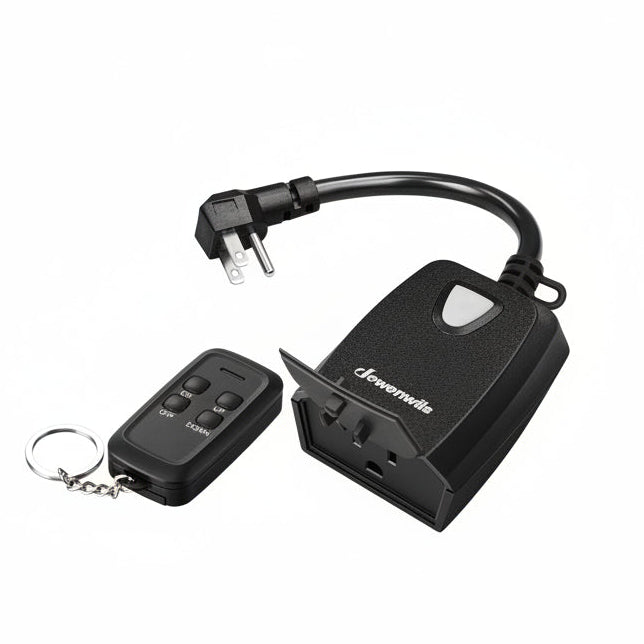
Grounded three-prong plug and outlet, with remote dimming. Rated for up to 300W of tungsten/incandescent lighting at 125V, 60Hz. Use only a compatible dimmable basking bulb; follow the bulb, fixture, and dimmer instructions. This is a lighting dimmer, not a temperature-sensing thermostat.
View dimming switch on Amazon
Choose a bulb with adjustment room
Choose a dimmable basking bulb that can produce a basking surface slightly warmer than the target at full output, while keeping the correct lamp distance and staying within the bulb, fixture, and dimmer ratings. Then use the dimming switch to reduce the heat to the age-appropriate target above. Test and dial in the setup before your dragon uses it; do not leave an occupied basking spot above its target.
This gives you useful adjustment room as your home’s temperature changes from season to season. When the room becomes cooler, you can increase the output; when it becomes warmer, you can turn it down. Measure after every adjustment and let the stone or tile stabilize before deciding whether another change is needed. There is no universal dimming level or bulb wattage.
Keep the dimmer outside the enclosure, away from heat and water. Plug it into a properly grounded outlet; never remove a ground pin. The manufacturer states that it loses its brightness setting when power is cut. Recheck and reset output after unplugging, an outage, or an external timer turning it off. Keep UVB lighting on a separate supply. Manufacturer specifications and power-loss guidance.9
A manual dimmer is not a thermostat. It holds the output you select and does not sense temperature or compensate automatically when the room changes. Check temperatures daily. A compatible dimming thermostat with a correctly installed probe provides automatic adjustment and is recommended by Arcadia for its halogen lamps; independently verify the basking surface with your temperature gun.7
Measure, adjust, and recheck
- Measure the platform. Let the setup reach a stable daytime temperature, then use an infrared temperature gun on several parts of the basking surface. It measures a surface—not the air. Follow its distance-to-spot instructions; do not measure through glass.
- Measure the air. Use digital thermometers at the warm and cool ends, at dragon height. An infrared gun cannot replace these readings.
- Control the lamp. Start a compatible dimmable basking bulb at reduced output and use the dimming switch to reach the target. A dimming thermostat can adjust output automatically; install its probe as directed and verify the surface independently.
- Adjust one thing at a time. Change lamp output, bulb selection, or safe placement, then remeasure. Never move the platform so close that your dragon can touch the bulb or breach heat or UVB clearances.
- Check every day and after changes. Recheck after replacing a bulb, moving décor, changing ventilation, or a seasonal shift in room temperature.
A broad, evenly warmed basking area is better than a tiny scorching hotspot. If a large adult needs more coverage, use an appropriately controlled wider beam or suitable lamp arrangement rather than simply increasing the hottest point.7, 8
Safety and signs that need attention
Keep lamps securely mounted and inaccessible. A dragon must be able to step away from the heat, hide, and cool down. A lamp-warmed stone may continue releasing heat after the lamp turns off, so judge the entire setup—not the bulb alone.
If your dragon avoids the spot, spends nearly all day there, or develops reduced appetite or unusual lethargy, check both surface and air readings and review UVB. These behaviors are clues, not diagnoses; illness can look like a heating problem. Persistent changes, burns, severe weakness, or collapse require a reptile veterinarian. See our Diseases & Health Problems guide.
References & further reading
Temperature advice varies between sources and measurement methods. The age table is practical guidance; body-temperature research does not validate exact age-based surface-temperature thresholds.
- Veterinarian Q&A: Bearded dragon temperature guidance. Dr. Caryn’s clinical advice distinguishes younger-than-six-month dragons from older dragons; this is case-specific guidance, not a controlled trial.
- Reptiles and Research: Bearded Dragon Care Guide. Surface versus body temperature, natural basking, and use of retained substrate warmth.
- Thermoregulatory behavior and orientation preference in bearded dragons. Primary research comparing adult and neonatal thermoregulation; selected body temperatures are not basking-surface setpoints.
- Washington State University Veterinary Teaching Hospital: Bearded dragon husbandry. Thermal gradient and cool-zone guidance.
- VCA Animal Hospitals: Bearded Dragons — Housing. Temperature-dependent metabolism and digestion, safe heating, and hot-rock burn risks.
- Zoo Med: Recommended Setups. Elevated perches, climbing, basking, and shaded retreats.
- Arcadia Reptile: Halogen Infrared Heater. Lamp spread, distance, body coverage, and dimming thermostatic control.
- PetMD: Bearded Dragon Care Sheet. Veterinarian-reviewed advice on monitoring air and surface temperatures and setup-dependent wattage.
- DEWENWILS: HORD03A product specifications. Grounded connections, 300W tungsten rating, and loss of brightness memory when power is removed.
- KIZEN: Infrared temperature guns. Non-contact surface measurement and model guidance.
- NDSU Extension: Take precautions when using heat lamps. General fire risks, secure mounting, and equipment quality; this livestock article supports fire-safety principles, not reptile temperature guidance.
- Zoo Med: Professional Series Dimmable Clamp Lamp instructions. Fixture-specific wattage limits, placement, and secure mounting; follow the instructions for your own fixture.